 24/7 for genuine emergencies:
 Rated 5 stars on Google
16 litres a minute
- Thermann rates it for
- 1 bathroom
- Rheem's guide to hot taps at once
- 1 or 2
 Lake Macquarie
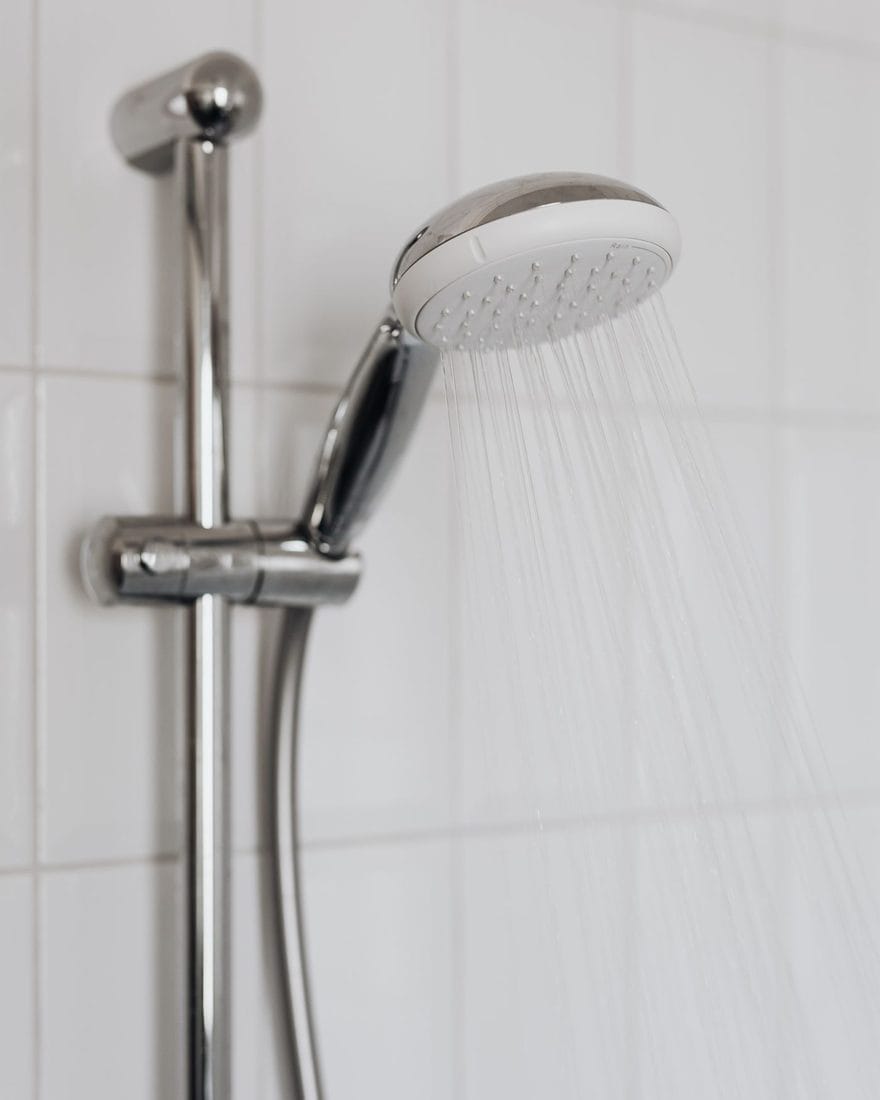
Lake Macquarie Emergency Plumbing installs instantaneous hot water systems, also called continuous flow, across Lake Macquarie from our base in Rathmines. We fit Rheem and Thermann gas units, sized in litres per minute for the hot taps your house runs at once.
 Rated 5 stars on Google
 Lic. 355969C
 Certificate IV in Plumbing
 Fully Insured
 12-month labour guarantee
Instant hot water sounds like endless hot water, and up to a point it is. The unit sits idle until you turn on a hot tap, then a sensor feels the water moving and the burner heats it on its way through. There's no tank to empty, which is why the Your Home guide says these systems can't run out, and no stored water sits losing heat overnight. Of the types on our hot water systems page, it's the only one with no tank at all.
The limit is the flow. Each unit can only heat so many litres a minute, and every hot tap running at once is drawing on that same supply, so a second shower and the washing machine can leave the first shower short.
A tank is sized by the litres it holds, while a continuous flow unit is sized by the litres a minute it can heat. The number on the box is measured at a 25 °C rise, meaning the water comes out 25 °C warmer than it went in. That assumes the water coming in isn't very cold, so on a winter morning the same unit heats less: Thermann's 26 litre model drops to about 16 litres a minute at a 40 °C rise.
| Size | Thermann rates it for | Rheem's guide to hot taps at once |
|---|---|---|
| 16 litres a minute | 1 bathroom | 1 or 2 |
| 20 litres a minute | 1 to 2 bathrooms | 1 or 2 |
| 26 litres a minute | 2 to 3 bathrooms | 2 or 3 |
Allow about 9 litres a minute for each shower, which gives you a rough guide for your own house before we size it properly. A bigger home can link two 26 litre units together, which both brands allow.
An electric instantaneous system asks a lot more of a house than a gas one does. A whole-house electric unit can draw up to 28 kW, which needs three-phase power, a heavier electricity supply that many homes don't have. Your Home says single-phase units have so little flow they suit a basin rather than a shower, and because they can't use off-peak power, they often cost more to run than an electric tank. The wiring is a licensed electrician's job, and whether three-phase power is available is the electricity network's call. A gas unit has its own question: whether the gas line is big enough to feed it. Upsizing the line is gas installation work, and the rest of the gas choice is on the gas hot water systems page.
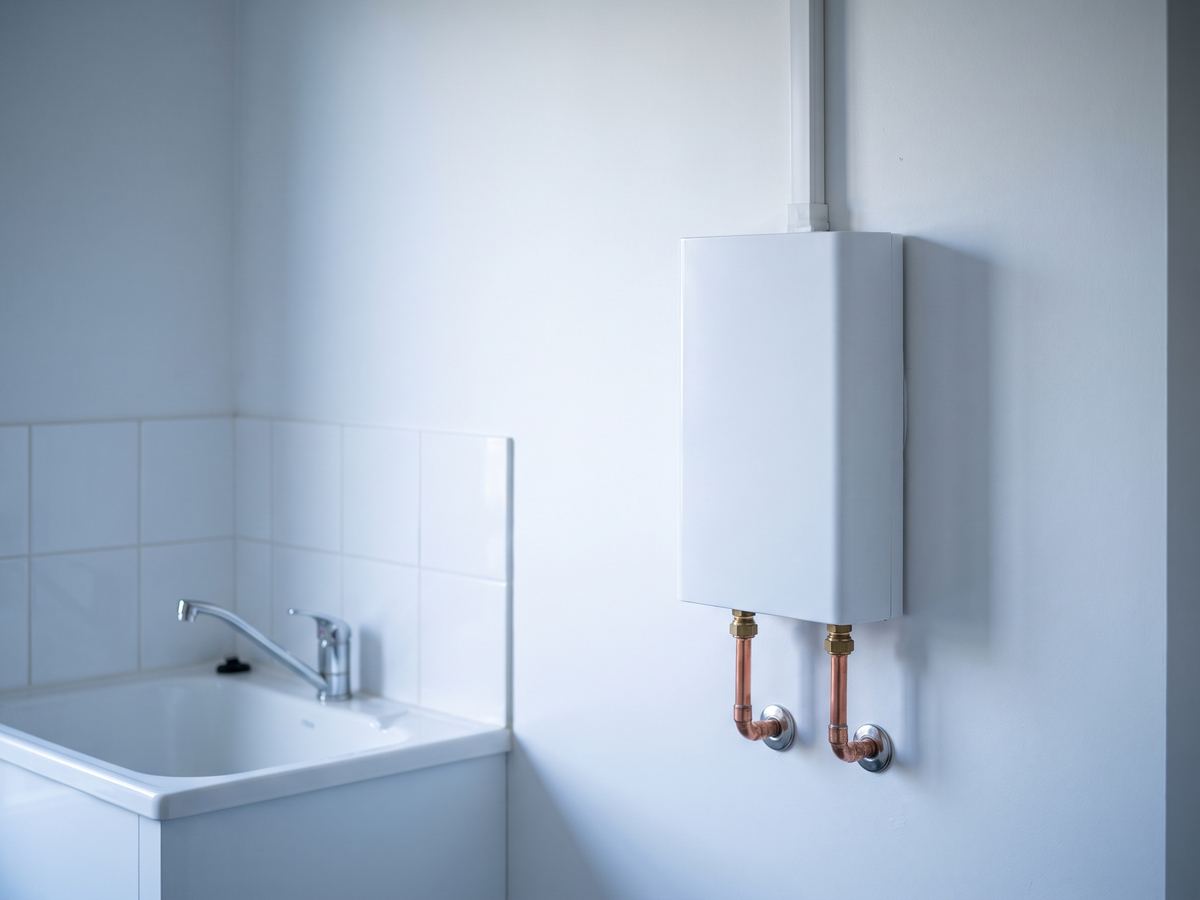
In NSW the hot water at your shower, bath and basin can't be hotter than 50 °C. A continuous flow unit made and marked to deliver no more than 50 °C counts as the control on its own, so in a home it needs no separate tempering valve for the bathroom. A 60 °C model is a different story, because the pipes from it to the bathroom still need a tempering valve. Add a controller in the bathroom and you can set the temperature from the shower, up to 48 °C on Thermann's bathroom controllers.
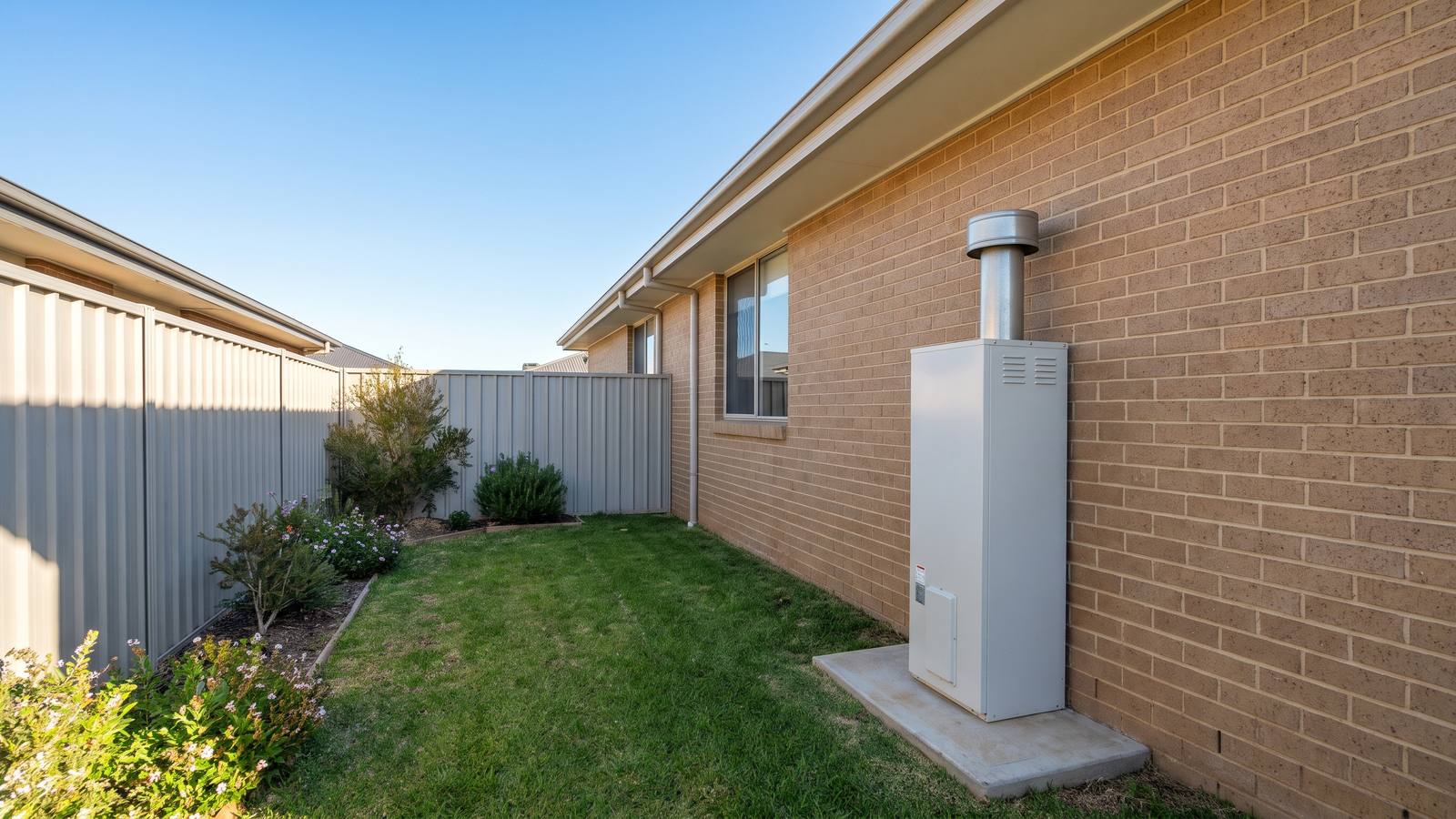
For a big household, CHOICE's buying guide suggests a gas storage tank can work out cheaper than several continuous flow units. A pilot-lit tank also keeps going in a blackout, which the gas hot water systems page covers. Where the numbers are close, we'd lean towards whichever system costs less to run, even if it costs more on the day.

Based in Rathmines, working across Lake Macquarie and into Newcastle. Check your suburb on the service areas page.
Can’t thank Mark enough for not just getting our issue sorted but for the time and effort he put it to make sure everything was sorted once he had finished. Didn’t end up costing a fortune either and he followed up a few weeks later to make sure everything was still ok. We will happily recommend anyone to call Lake Macquarie Emergency Plumbing, even if it isn’t an emergency!!
Thank you Mark for coming out so quickly on a Saturday to fix our leaking pipe!
The job was done properly and efficiently, and the communication was great throughout.
The unit only starts heating once water is moving, and the hot water then has to travel the pipe to your tap, so expect a litre or two to run off first. On a cold start, often first thing in the morning, Rheem's units also hold the flow back for a few seconds while the heater inside warms up.
It can, as long as it lets enough water through for the unit to fire. The burner on a Rheem won't light below 2 litres a minute, so a showerhead that cuts the flow too far can leave you with cold or lukewarm water. Check a showerhead's flow rate before you fit it.
Thermann recommends a service every year by a licensed tradesperson. On a Rheem, the owner keeps plants and insects clear of the unit every six months, and a major service is due every five years.
It can if the water suits the unit, so check with us before it does. Rheem and Thermann both set water quality limits for their heat exchangers, and switching between tank water and mains can damage one.
Most of the size comes down to the number of bathrooms, how many showers tend to run at once and whether the house is on mains gas or bottles, so work those out before you ring 0434 244 274. You get the price before any work starts.